


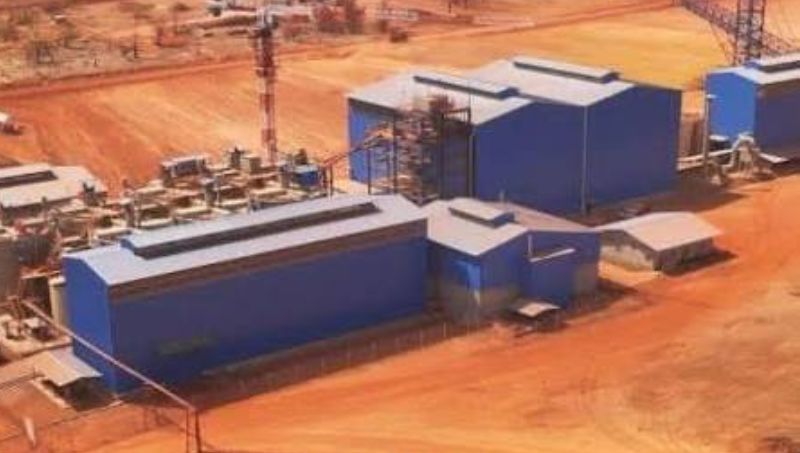
The rural commune of Niagassola, located approximately 150 km from Siguiri in Upper Guinea, has witnessed violent clashes in recent days involving local residents and the gold mining company Welly Mining S.A. The incidents, which escalated over the weekend, left one person dead, several injured, and multiple company assets destroyed, highlighting once again the fragile balance between mining operations and community relations in Guinea’s gold-producing regions.
According to local reports, tensions began following the arrest of around ten workers accused of theft within Welly Mining’s facilities. These individuals, reportedly employees of a subcontractor, had earlier been involved in a wage dispute and demonstrations demanding better pay. Their detention in Siguiri ignited anger among their families and neighboring communities, leading to large-scale protests on October 4.
What began as a call for the release of the detainees quickly degenerated into violent confrontations. Several company vehicles, including a gendarmerie pick-up, were set on fire, while mining infrastructure sustained significant damage. Security forces were deployed to the site to protect company property and restore order.
Medical sources in Siguiri confirmed one fatality—Karim Sawadogo, a 25-year-old artisanal miner—and at least four people injured by gunfire, including foreign nationals. The situation has since calmed, though security remains heightened around Welly Mining’s installations.
Founded in 2006, Welly Mining S.A. is part of a Guinean industrial group active in resource extraction, forestry, and real estate. The company’s Niagassola permits, located within the northern Birimian Basin, are considered geologically promising, surrounded by several major gold deposits across Mali and Guinea. The group has emphasized its long-standing commitment to contributing to Guinea’s economic development through responsible mineral exploitation.
However, the recent unrest underscores the growing need for proactive community engagement and transparent conflict resolution mechanisms within the country’s mining sector. For mining operators, particularly in artisanal-rich areas like Siguiri, social acceptance is as critical as geological potential.
The Welly Mining incident serves as a stark reminder to all mining companies in Guinea: social license to operate must be continuously earned through dialogue, local employment, fair labor practices, and rapid response to grievances before they escalate. As the government and industry stakeholders seek to stabilize the situation, the lessons from Niagassola will likely shape future approaches to community relations across Guinea’s mining landscape.